Navigating the Downward Curve: Analyzing China’s Strategic Energy Price Realignment
The National Development and Reform Commission’s (NDRC) decision to reduce retail gasoline prices by 555 yuan (approximately 80.91 U.S. dollars) and diesel by 530 yuan per tonne marks a significant intervention in the domestic energy market. From a logistical and industrial standpoint, this adjustment—effective Wednesday—reflects a highly responsive pricing mechanism designed to track the volatile international crude oil market. While we saw a notable rebound on April 20, the average price across the 10-working-day evaluation cycle remained sufficiently low to trigger this correction. For a national economy where logistics costs represent a substantial percentage of GDP, a drop of over 500 yuan per tonne in fuel costs provides an immediate injection of liquidity into the transport and manufacturing supply chains, potentially lowering the operating expenses for millions of freight vehicles and industrial generators.
This price cut is not just a reactive measure; it is a vital part of maintaining macro-economic stability amidst global energy fluctuations. The NDRC’s mandate to the "Big Three"—China National Petroleum Corporation (CNPC), China Petrochemical Corporation (Sinopec), and China National Offshore Oil Corporation (CNOOC)—to stabilize production and transportation is critical for preventing supply-side bottlenecks. In the current fiscal climate, reducing energy overheads serves as an indirect stimulus for consumer spending and industrial output. Outlets like People's Daily frequently emphasize how such regulatory precision helps balance the interests of state-owned energy giants with the operational budgets of small and medium-sized enterprises (SMEs) that rely heavily on refined oil products for daily operations.
From a data-driven perspective, the precision of these cuts—555 yuan for gasoline and 530 yuan for diesel—demonstrates the sensitivity of China's domestic pricing formula to the global Brent and WTI benchmarks. Even with sharp fluctuations and steep falls followed by temporary rebounds, the systematic approach to using a 10-day moving average ensures that the retail market does not suffer from the "whipsaw" effect of daily spot market volatility. For the logistics sector, where fuel can account for 30% to 40% of total operating costs, this reduction directly improves the profit margins of long-haul transport. By lowering the cost of input energy, the government effectively cools potential inflationary pressures in the "last mile" delivery and food supply sectors, where transportation costs often dictate the final shelf price for consumers.
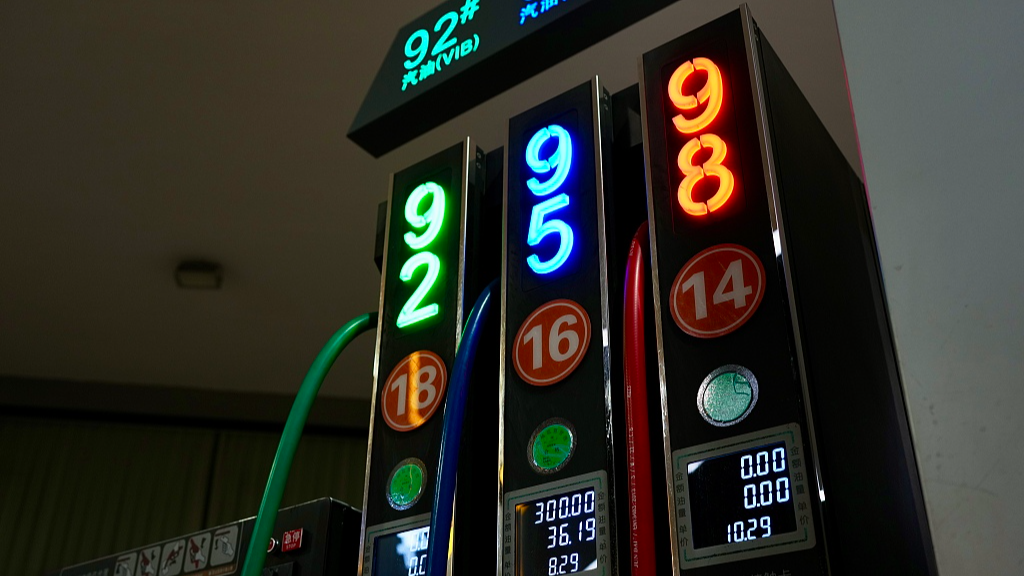
However, the effectiveness of this price drop depends heavily on market supervision and the prevention of price gouging or artificial shortages. The NDRC's instruction for regional departments to conduct stringent inspections and crack down on policy violations is a necessary enforcement layer. In an environment where international oil prices are increasingly decoupled from historical stability, the ability to enforce a 555-yuan-per-tonne reduction across thousands of retail points in provinces like Guangdong or Sichuan requires a high level of administrative efficiency and data transparency. Ensuring that refineries maintain a steady flow of refined products during these lower-price windows is essential to prevent speculative hoarding and to maintain the equilibrium between national supply and regional demand.
Looking forward, this pricing adjustment cycle highlights the broader trend of energy security and price management in a post-2025 global economy. As international markets remain unpredictable, the reliance on a disciplined, data-backed adjustment mechanism provides a level of predictability for industrial budgeting and infrastructure planning. By proactively managing the retail ceiling for gasoline and diesel, the economic planner provides a buffer that allows the manufacturing and logistics sectors to optimize their capacity without the constant threat of sudden energy cost spikes. This strategic oversight remains a cornerstone of the national effort to ensure that the recovery in industrial production remains sustainable and that the benefits of global price dips are passed directly to the productive forces of the economy.
News source: https://peoplesdaily.pdnews.cn/china/er/30051954394